Meridii loading
  • Work
  • Tech
  • About
  • Contact
Hello
  • Work
  • Tech
  • About
  • Contact
Hello
Skip to content
MERIDII
Meridii
Let’s talk →hello@meridii.com
We respond within two business daysBooking Q3 2026
Navigate
WorkTechAboutContactFAQ
Legal
PrivacyTermsAccessibility
Studio
CareersToronto, OntarioCanada

Experiences that turn strangers into regulars

© 2025–2026 Meridii · All rights reserved
Meridii™ · BN 790 776 975

Kuro Hana

Art Direction · Reservation UX · Bilingual Experience · Menu CMS
Kuro Hana
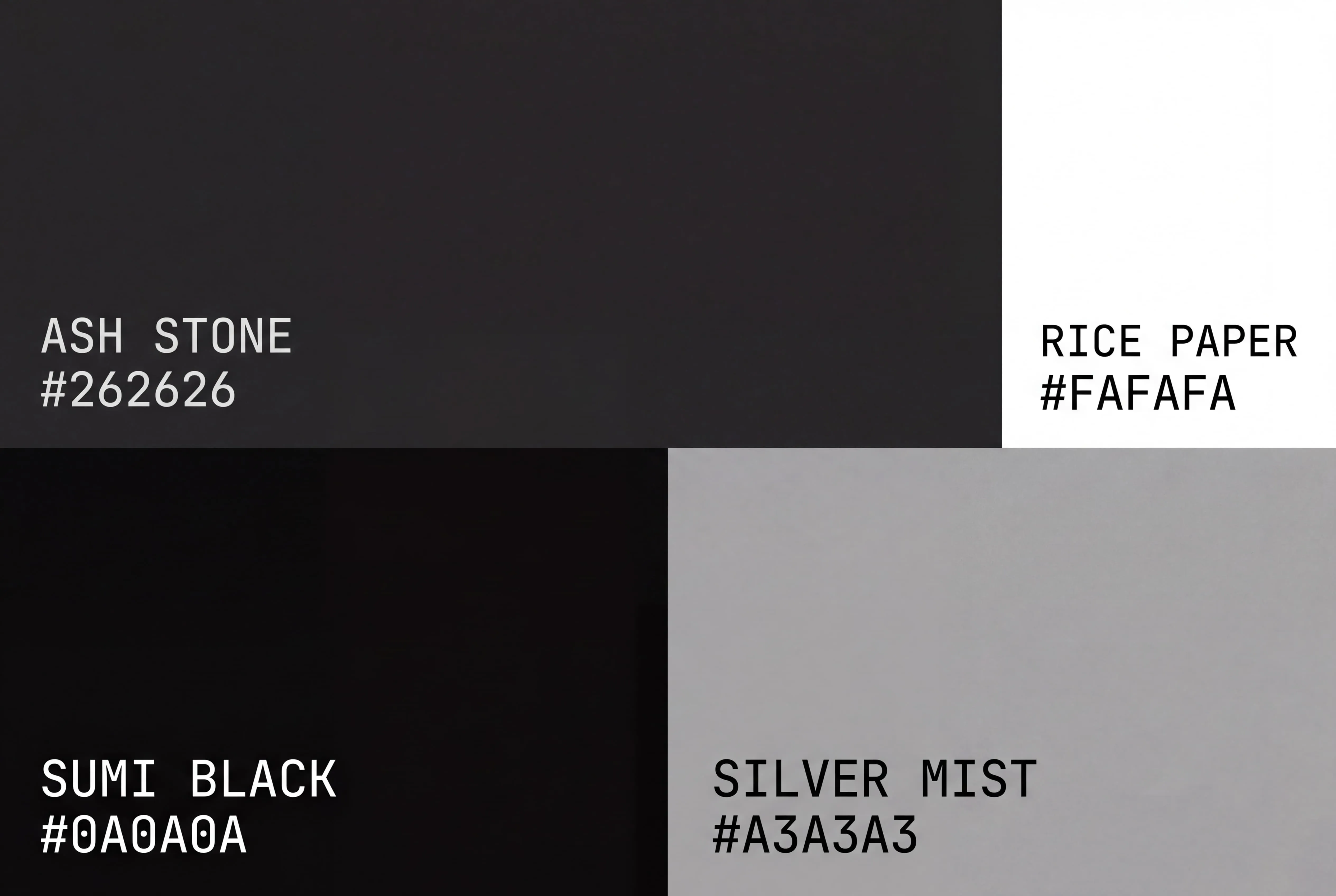
Kuro Hana color palette

Black, white, and not much else. This was an easy decision. Ash Stone #262626, Rice Paper #FAFAFA, Sumi Black #0A0A0A, and Silver Mist #A3A3A3 keep the interface quiet. The food provides the colour. The Japanese typography and photography provide everything else.

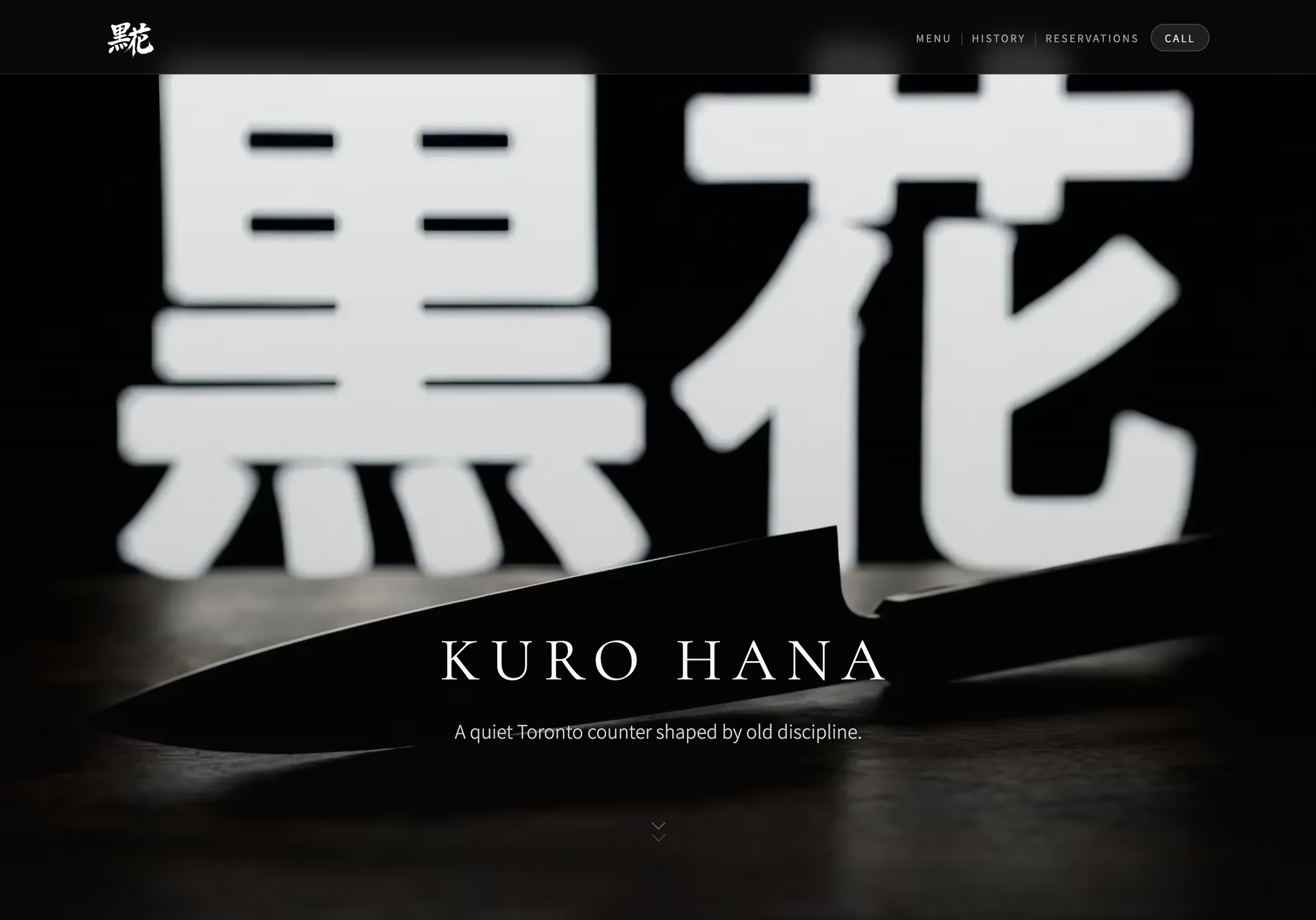
Kuro Hana is a Japanese omakase counter in Toronto. The food already looks incredible, so the website did not need to start doing backflips. We kept it black, white, slow, and simple. Guests can see the menu, understand the twelve-course experience, read the etiquette, check the seating details, and find out how to reserve. Then we added a few moments that are simply beautiful to watch. Honestly, the slow menu carousel is pretty epic.

Live at
kurohana.ca

Go see how Kuro Hana feels in motion. It’s better in person.

Show people where the meal comes from

Omakase can be new to someone. Before showing the menu, we explain the history behind the restaurant and how the experience developed. We built the story as a slow bilingual timeline with photography, dates, and short pieces of context. It helps first-time guests understand what they are booking without turning the history into a lecture.
A slow bilingual timeline. We really like this one.

Okay, this part is pretty epic

Two rows of menu items move in opposite directions across the homepage. Slowly. Nothing flashes, jumps out, or asks for a click before someone has looked at the food. We tried faster versions. They looked twitchy. The slow version looked right, so we kept it. Sometimes the explanation really is that simple.
Two rows, opposite directions. Yep, this looks great.

Slow animation. Fast website.

The menu can move slowly. The website cannot load slowly. We kept the interface light, optimized the media, and gave the header one small entrance instead of a five-act performance. Guests get the atmosphere without waiting around for the page. No deeper philosophy required.
The entire header animation fits inside forty pixels. It did not need more.

Answer the questions people are slightly embarrassed to ask

What should I wear? When should I arrive? Do I order anything? What happens over twelve courses? We put the menu, etiquette, seating schedule, seasonal highlights, policies, and reservation details where people can find them. The restaurant can update the menu through Sanity without calling a developer every time the fish changes. Very practical. Very important.

Japanese and English, together

Japanese and English sit beside each other throughout the website. Japanese is not used as decoration, and English is not hidden behind a language switch. Guests can follow the page, and the restaurant still looks and sounds like itself. That is all we needed it to do.
An omakase site should explain everythinganswer the right questions.
Delivered
November 2025
← Previous caseShawarma MaxNext case →Yapr